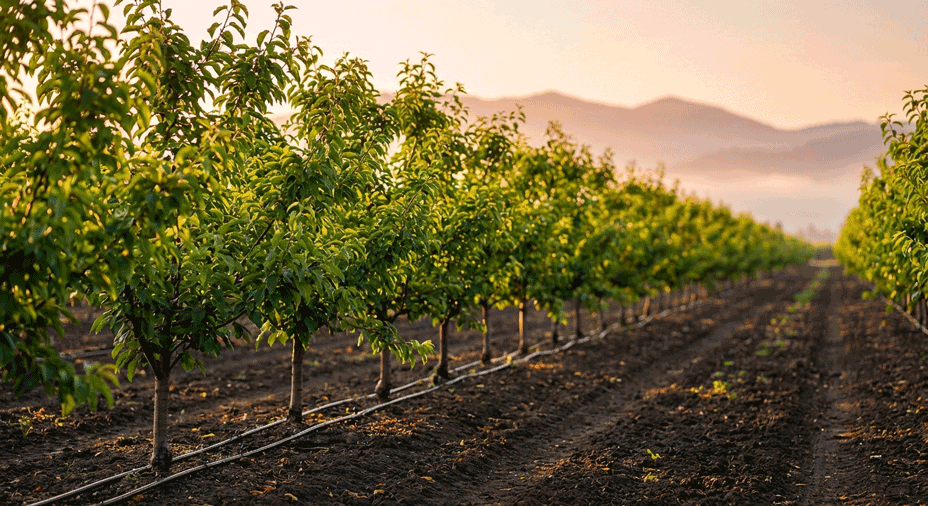
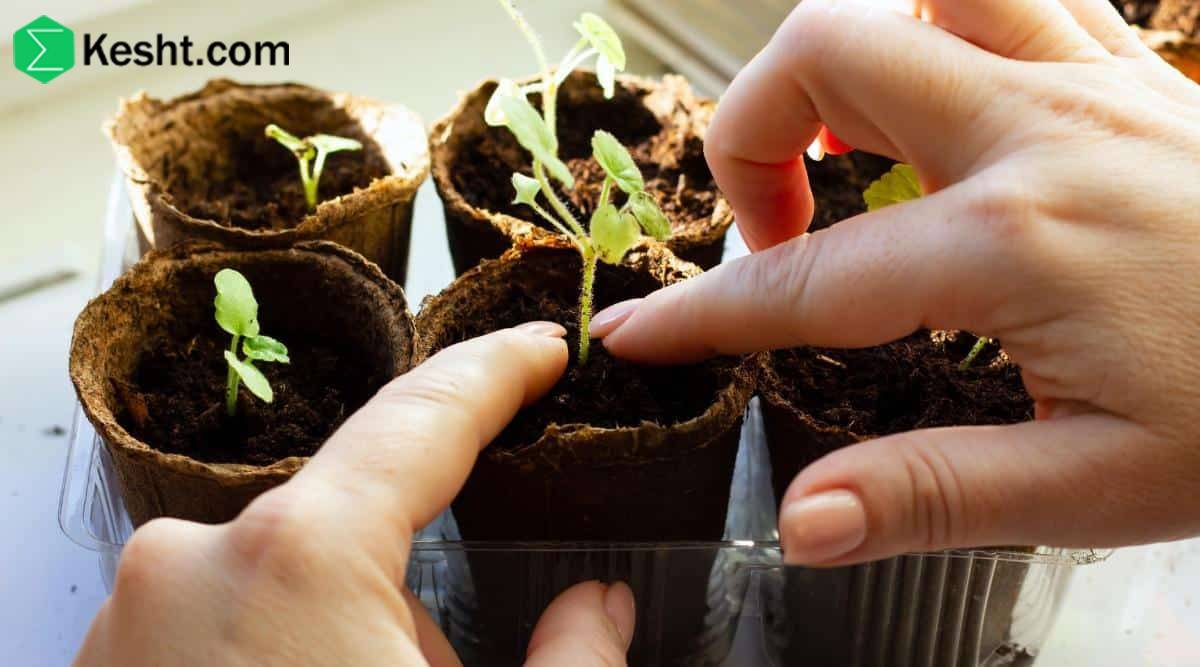
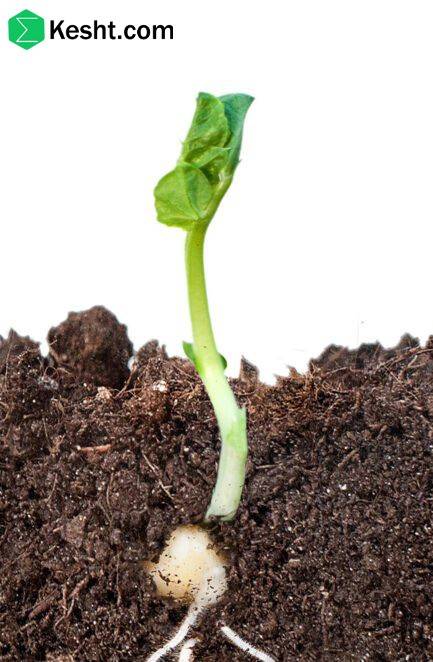
Buying fruit tree seedlings isn't just a simple purchase; it is the foundation of a 10 to 30-year investment. Imagine spending three years watering, fertilizing, and pruning a walnut or apple tree, only to discover it’s diseased or incompatible with your climate. Painful, isn’t it?
This comprehensive guide, curated by Ekhesht’s agronomists and based on the latest horticultural standards, acts as your "Golden Checklist." We are here to ensure you buy seedlings that not only survive but thrive into profitable, high-yielding trees.
1. The Foundation: What to Do Before Buying?
Before opening your wallet, you must understand your land. Google algorithms and agricultural experts suggest asking yourself these four critical questions:
- What is your Climate Zone? (Cold, tropical, arid, or humid?)
- What is your Soil Condition? (Saline, alkaline, clay, or sandy?)
- What is your Water Source? (Is the EC/salinity high or low?)
- What is your Goal? (A commercial orchard for profit, or a home garden?)
Expert Tip: Buying seedlings without a soil test is like driving blindfolded. If your soil pH is above 7.5, acid-loving plants like certain peach varieties or blueberries will struggle to survive!
2.How to Spot a Healthy Seedling? (The Detective Work)
Whether visiting a nursery in person or ordering online, inspect the plants like a detective. A healthy seedling shows 3 vital signs:
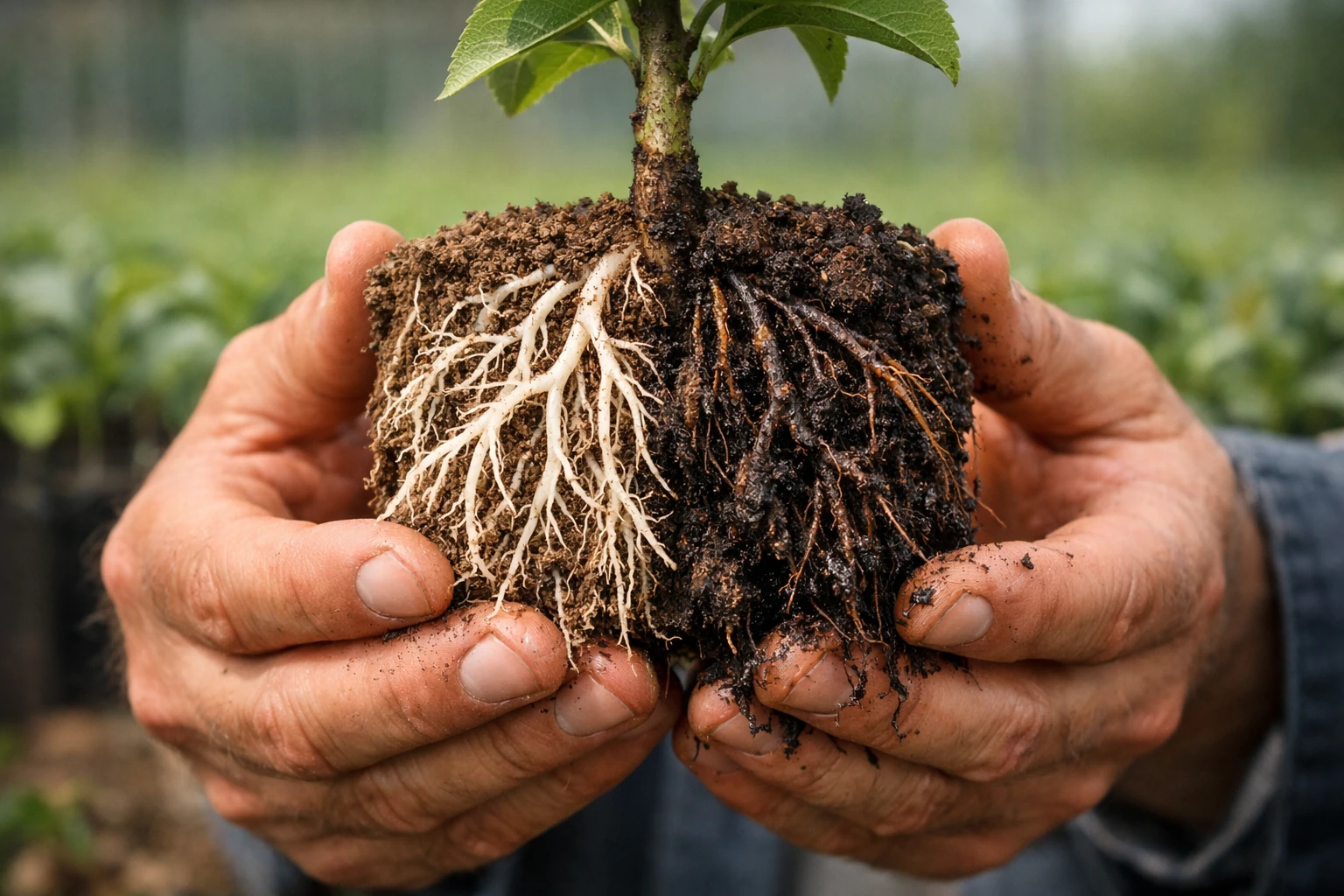
A) The Roots: The Engine
- Color: Healthy roots are typically creamy white or light tan and flexible.
- Warning: Dark brown, black, mushy, or foul-smelling roots indicate fungal diseases or root rot
- .Container Plants: Roots should not be circling tightly (pot-bound) or growing out of the drainage holes excessively.
B) The Trunk & Stem: The Spine
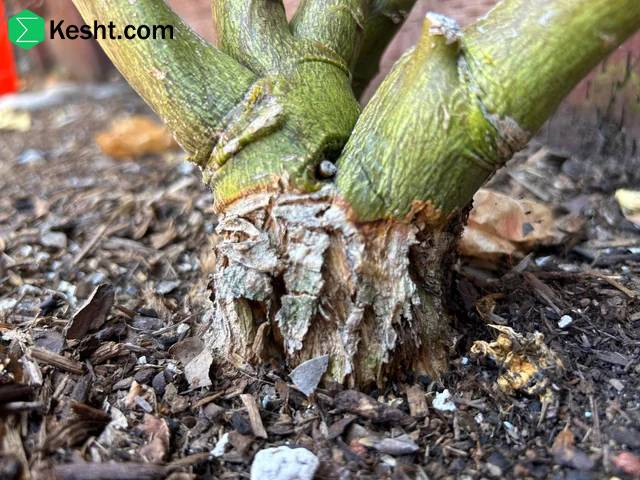
- The bark should be smooth, without open wounds or gummosis (oozing sap).
- The tree should have a single, strong central leader (unless it's a multi-stemmed shrub).
- Graft Union: The graft area must be fully healed with no abnormal swelling.
C) Certification & Labeling
A seedling without a label has no identity. Standard seedlings must have a Certified Tag (Blue or White Label) indicating the variety, rootstock, and producer’s name.
3. The Big Debate: Grafted vs. Seedling Trees?
One of the most common questions is: "Which one is better?" The short answer: In 95% of cases, Grafted (Certified) trees win.
| Feature |
Grafted Seedlings (Certified/Improved) |
Seedling Trees (Traditional) |
| Time to Fruit |
Fast (2–4 years) |
Slow (5–10 years) |
| Fruit Quality |
True to type (Identical to parent) |
Unpredictable (May be small or sour) |
| Resistance |
Engineered (Resistant to salinity/drought) |
Random (Depends on nature) |
| Uniformity |
Uniform tree size and shape |
Irregular orchard structure |
Verdict: If you seek economic profit and reliability, always choose grafted seedlings on vegetative rootstocks.
4. Selecting the Right Rootstock: The Secret of Pros
Many buyers focus only on the "Fruit Variety" (e.g., Golden Delicious Apple), but it is the "Rootstock" that determines whether your tree survives in salty soil or drought conditions.
- For Saline & Calcareous Soils: Rootstocks like GF677 (for peach/almond) or Pistacia rootstocks work miracles.
- For Drought Prone Areas: Rootstocks like MM111 for apples offer excellent drought resistance.
- For Small Spaces: Dwarfing rootstocks (like M9) allow you to plant more trees in less space (High-Density Planting).
🤔 Unsure Which Rootstock Fits Your Climate?
The wrong choice can cost you thousands. Contact our experts right now. We will analyze your soil test and climate data to recommend the perfect match for your land.
📞 Get Your Free Consultation5. Step-by-Step Planting & Initial Care (The Critical First Year)
Buying a healthy tree is 50% of the journey; the other 50% is correct planting.
Step 1: Proper Hole Preparation
Dig a hole 60-80 cm wide and deep. Mix the topsoil with fully composted manure (never fresh!).
Step 2: Precision Planting
- Golden Rule: The graft union must remain 5 to 10 cm ABOVE the soil line. Burying the graft leads to collar rot and tree death.
- Immediately after planting, water heavily to remove air pockets around the roots.
Step 3: First-Year Fertilization
- Don't: Use heavy Nitrogen (Urea) at planting; it burns the roots.
- Do: Use phosphorus-rich fertilizers (Root stimulators) and Humic Acid to reduce transplant shock.
6. Cheat Sheet: Identifying Pests & Diseases
A smart grower is always one step ahead. Watch for these signs:
- Curled Leaves + Ants: A sure sign of Aphids.
- Tiny Webs + Dusty Leaves: Indicates Spider Mites.
- Oozing Sap: Signs of stress or Bacterial Canker.
- Yellow Leaves: If veins are green but the leaf is yellow, you have Iron Chlorosis.
7. Why Buying from a Certified Nursery is Essential?
Buying from roadside vendors or unverified sources carries huge risks:
- Variety Mismatch: You buy a specific walnut variety, but 5 years later, you harvest a low-quality nut.
- Hidden Infections: The soil or roots might carry Nematodes or viral diseases that can permanently contaminate your land.
At Ekhesht, we guarantee:
- Official invoices and replacement warranties.
- Phytosanitary certificates approved by agricultural authorities.
- Real post-purchase agronomic support.
🚀 Ready to Build Your Dream Orchard?
We have prepared a collection of the best certified, grafted, and disease-free seedlings suitable for various climates. Buying from Ekhesht means taking 30 years of horticultural expertise with you.