A Complete Practical Guide to Protecting Young Plants Without Soil Compaction
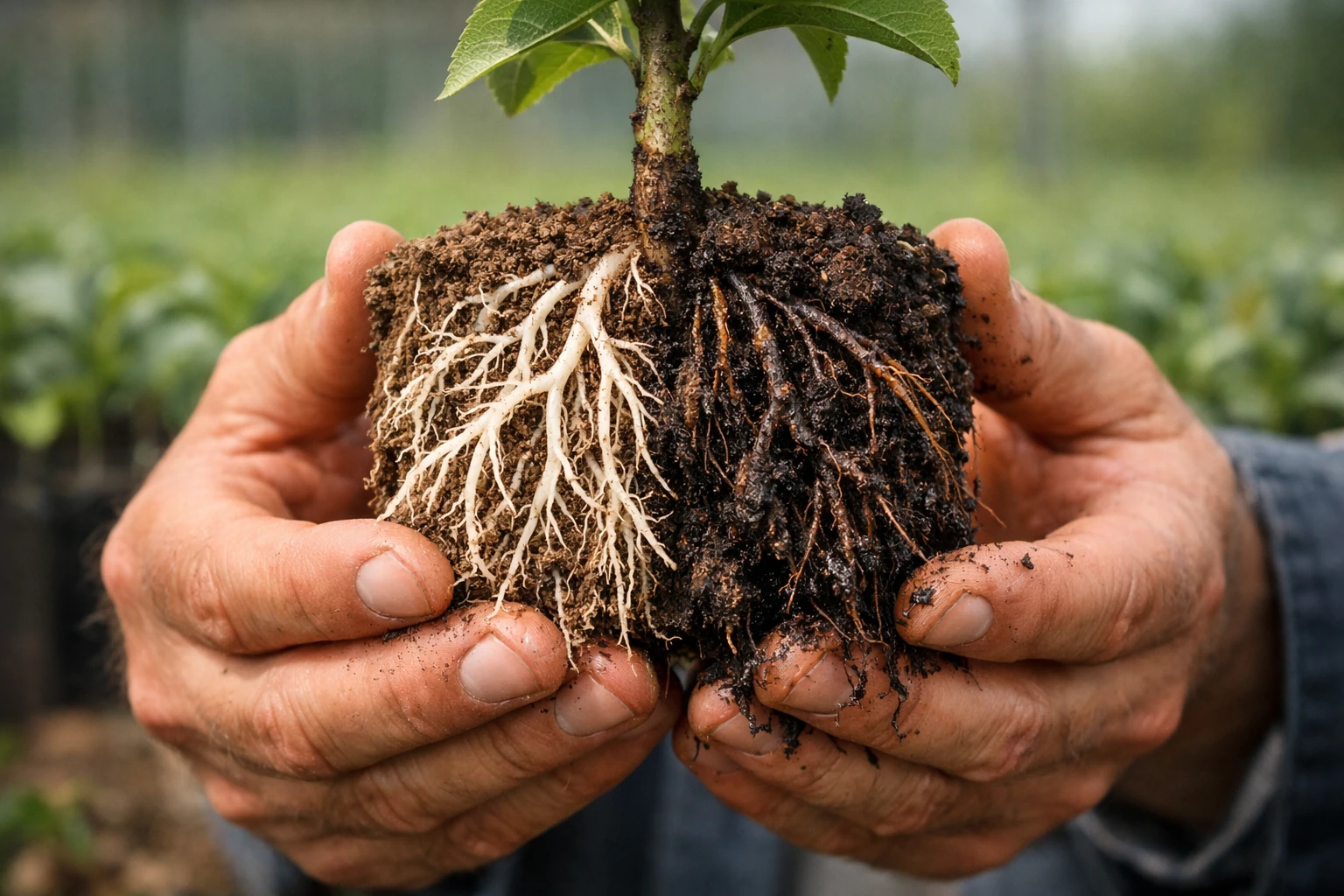
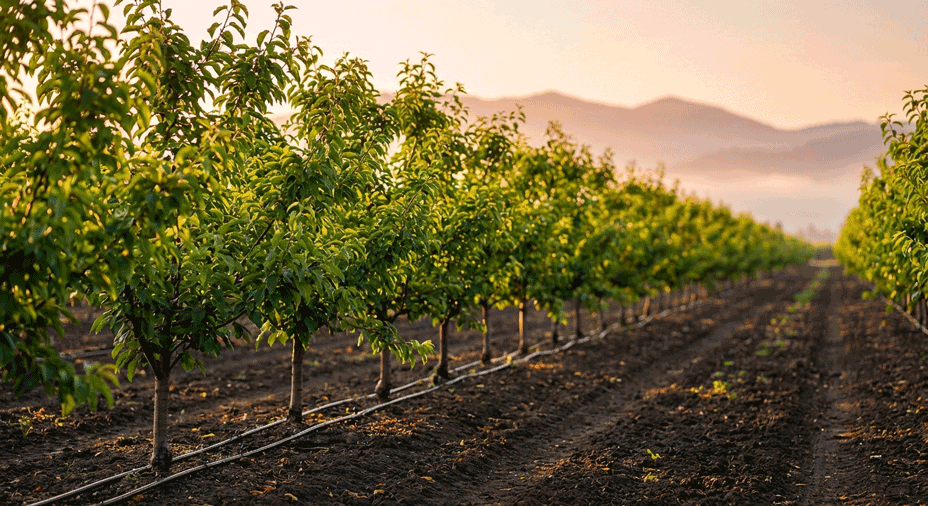
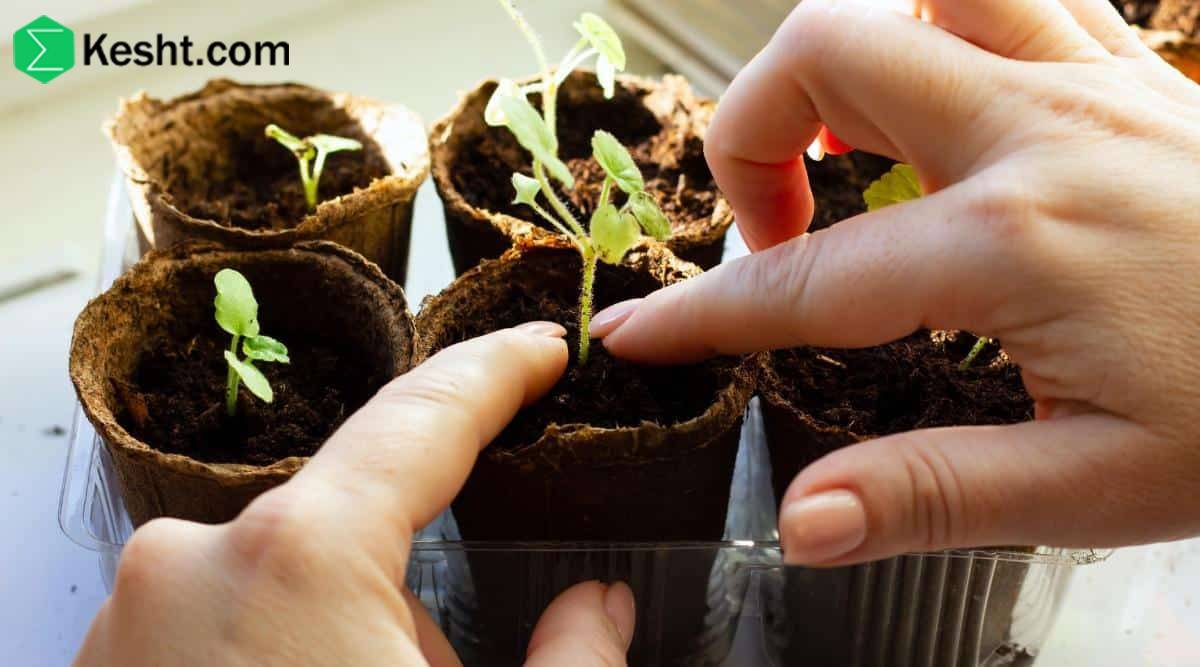
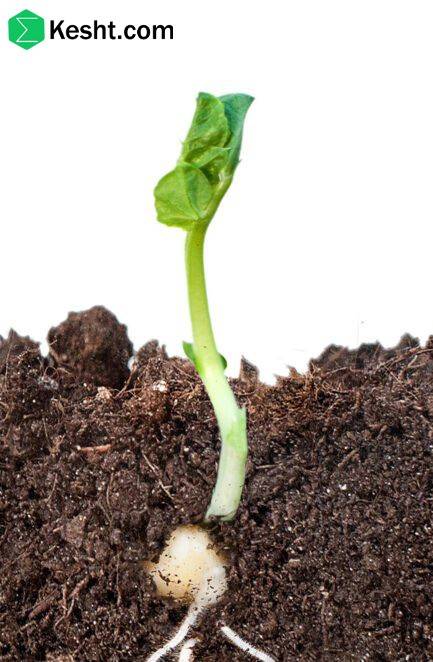
Lightweight mulch is one of the smartest and most effective soil management techniques for protecting young seedlings—especially in loose soils, sloped lands, windy regions, or sensitive planting projects.
Many seedling failures are not caused by poor irrigation or fertilization, but by soil moisture loss, temperature stress, erosion, and root damage. Lightweight mulch addresses all these issues without putting pressure on the soil or roots.
In this guide, you will learn:
- What lightweight mulch is and how it works
- The different types of lightweight mulch and their applications
- Advantages and limitations
- Step-by-step application method
- Suitable plant species and technical considerations
What Is Lightweight Mulch?
Lightweight mulch (Light Mulch) refers to a soil-covering material characterized by:
- Low weight
- High porosity
- High air and water permeability
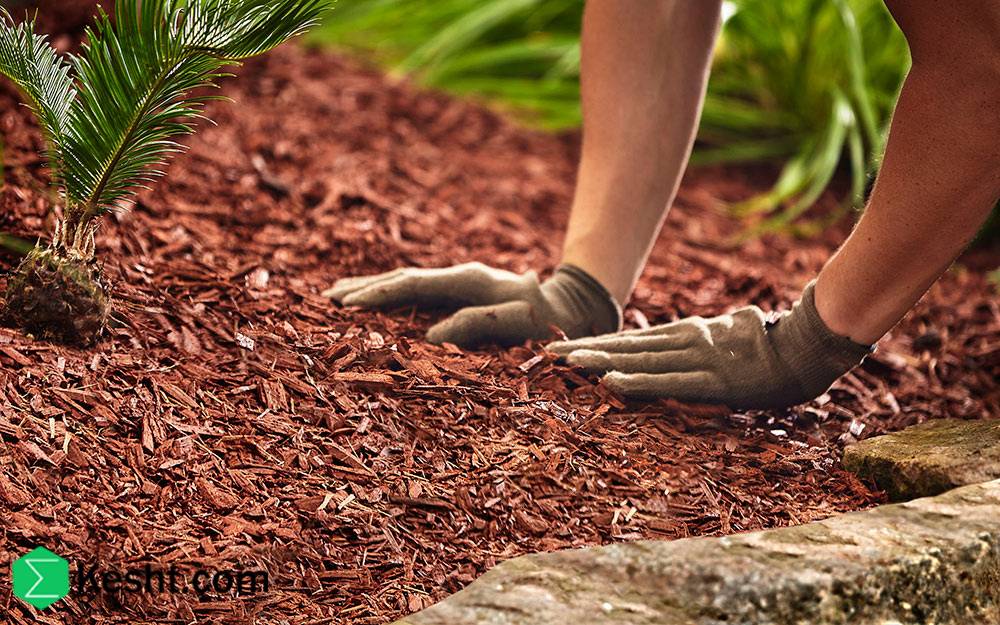
It covers the soil surface around seedlings without compacting the soil or restricting oxygen flow to the roots.
Main Purpose of Lightweight Mulch
- Retain soil moisture
- Reduce evaporation
- Control soil temperature
- Prevent soil erosion
- Suppress weeds without chemicals
Unlike traditional heavy mulches (straw, wood chips, leaf litter), lightweight mulch is specifically designed for young and sensitive seedlings.
Lightweight Mulch vs. Traditional Mulch

| Feature |
Lightweight Mulch |
Traditional Mulch |
| Weight |
Very low |
High |
| Soil compaction |
None |
Moderate to high |
| Suitable for slopes |
✅ Yes |
❌ Limited |
| Air & water flow |
Excellent |
Moderate |
| Weed suppression |
High |
Medium |
| Initial cost |
Medium–High |
Low |
Types of Lightweight Mulch and Their Applications
1. Mineral Wool (Rock Wool / Slag Wool)
Best for professional nurseries and cold climates
Advantages:
- Excellent thermal insulation
- High air and water permeability
- Resistant to decay and rodents
Disadvantages:
- Non-biodegradable
- Higher cost
Recommended for: High-value seedlings, cold soils, mountainous regions
2. Expanded Perlite or Vermiculite
Ideal for sensitive and container-grown seedlings
Advantages:
- High water retention capacity
- Neutral pH (safe for all plants)
- Improves soil structure
Disadvantages:
- Easily displaced by wind
- Not cost-effective for large-scale use
Recommended for: Greenhouses, sandy soils, valuable seedlings
3. Hydrogel Mulch (Water-Absorbing Polymers)
A smart solution for arid and drought-prone regions
Advantages:
- Absorbs up to 300–400 times its weight in water
- Gradually releases moisture to roots
- Reduces irrigation frequency
Disadvantages:
- Limited lifespan (1–3 years)
- Low efficiency in heavy clay soils
Recommended for: Dry regions, reforestation, desert restoration projects
4. Processed Agricultural Fibers (Palm Fiber, Rice Husk)
Eco-friendly and cost-effective option
Advantages:
- Lightweight and porous
- Biodegradable
- Improves soil after decomposition
Disadvantages:
- Requires fixation in windy areas
- Low-quality material may contain weed seeds
Recommended for: Fruit nurseries, warm and humid climates
5. Lightweight Mulch Mats (Geotextile Mulch)
Best solution for slopes and erosion control
Advantages:
- Complete weed suppression
- No soil pressure
- Long service life
- UV-resistant (high-quality models)
Disadvantages:
- Non-biodegradable
- Requires anchors or pins
Recommended for: Sloped lands, erosion-prone soils, urban green spaces
Benefits of Using Lightweight Mulch for Seedlings
✔ Prevents Soil Compaction
Ideal for shallow or sensitive root systems.
✔ Reduces Water Loss
Up to 30–50% reduction in irrigation needs
✔ Regulates Soil Temperature
Protects roots from extreme heat and cold.
✔ Controls Erosion
Especially effective on slopes and in windy regions.
✔ Suppresses Weeds Naturally
Reduces competition for nutrients and water.
Limitations and Challenges of Lightweight Mulch
- Wind displacement if not properly fixed
- Higher initial cost compared to traditional mulch
- Some types require periodic replacement
- Incorrect selection can reduce effectiveness
How to Apply Lightweight Mulch Correctly (Step-by-Step)
Step 1: Choose the Right Type
Based on:
- Climate conditions
- Soil type
- Seedling species
- Budget and project scale
Step 2: Prepare the Soil
- Remove weeds
- Level the surface gently
- Apply light irrigation if soil is dry
Step 3: Apply the Mulch
- Spread evenly
- Thickness: 5–10 cm (depending on material)
- Keep 10–15 cm distance from the seedling trunk
Step 4: Fix the Mulch (If Needed)
In windy or sloped areas:
- Use wooden or metal pins
- Apply mesh or geotextile cover
- Place light stones along edges
Step 5: Monitoring and Maintenance
- Inspect every 3–6 months
- Replace or reinforce if degraded or displaced
Seedlings That Benefit Most from Lightweight Mulch
| Species |
Reason |
| Walnut |
Sensitive to soil compaction |
| Almond |
Requires good drainage |
| Peach & Cherry |
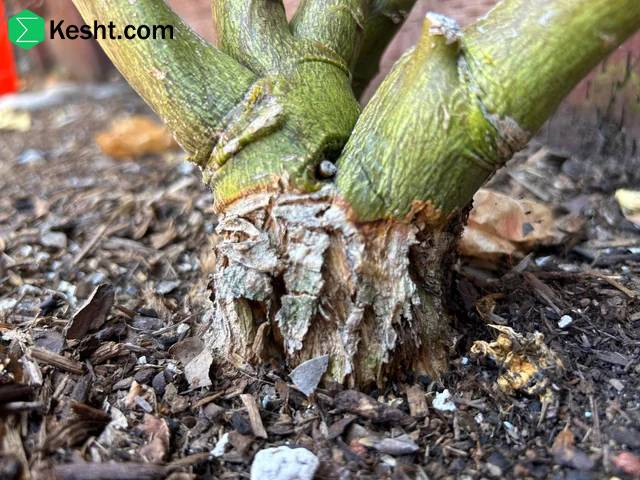
Prone to collar rot |
| Pine & Cypress |
Often planted on slopes |
| Container-grown seedlings |
Need controlled soil conditions |
Common Mistakes When Using Lightweight Mulch
- Covering the trunk base completely
- Not fixing mulch in windy areas
- Using impermeable materials
- Ignoring replacement after degradation

Final Conclusion
Lightweight mulch is not a luxury—it is a strategic tool for modern seedling management.
When applied correctly, it protects roots, conserves water, stabilizes soil, and significantly improves seedling survival rates.
Key Takeaways:
- Choose the right mulch type
- Fix it properly in windy or sloped areas
- Maintain distance from the trunk
Small technical details make a big difference in seedling success.