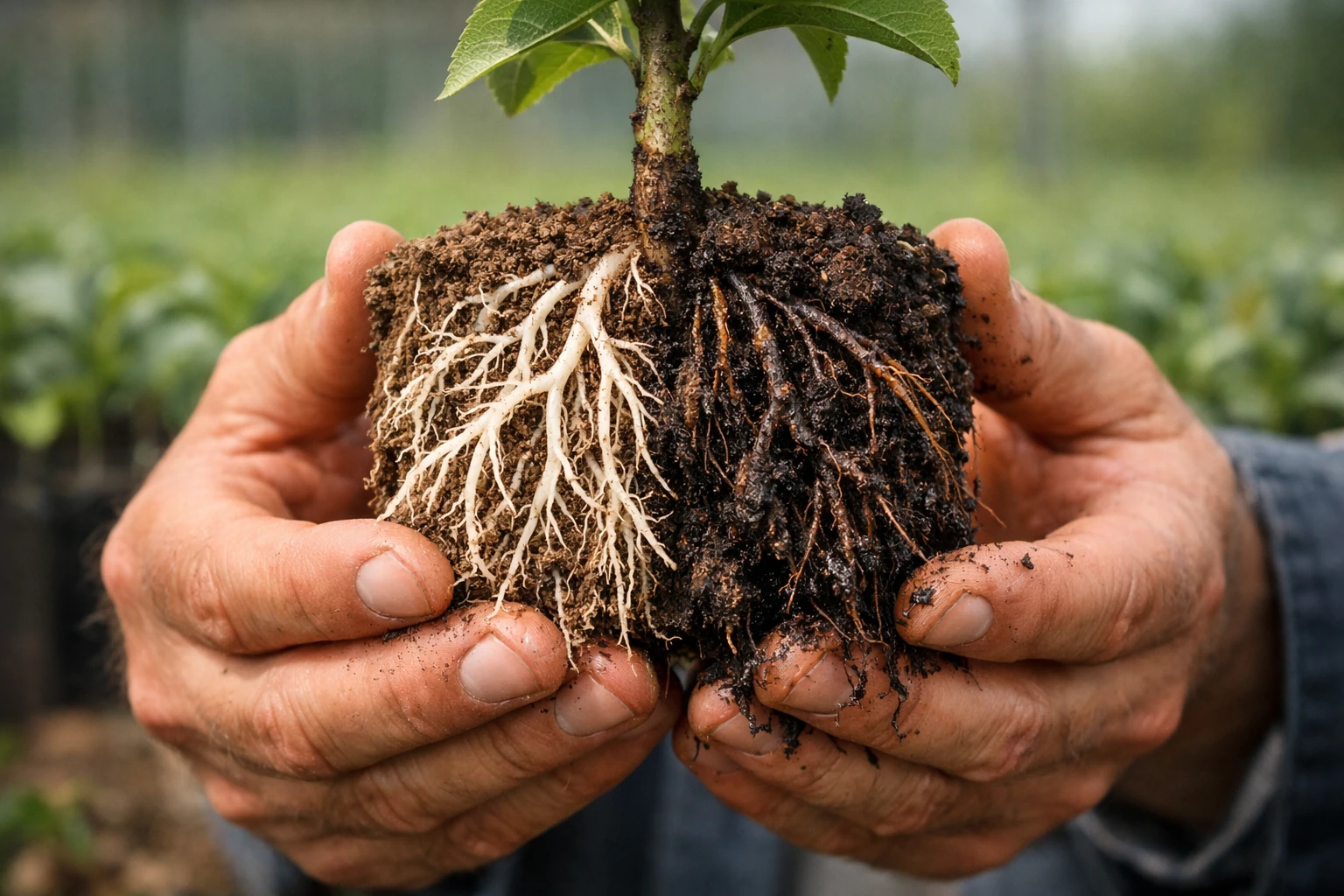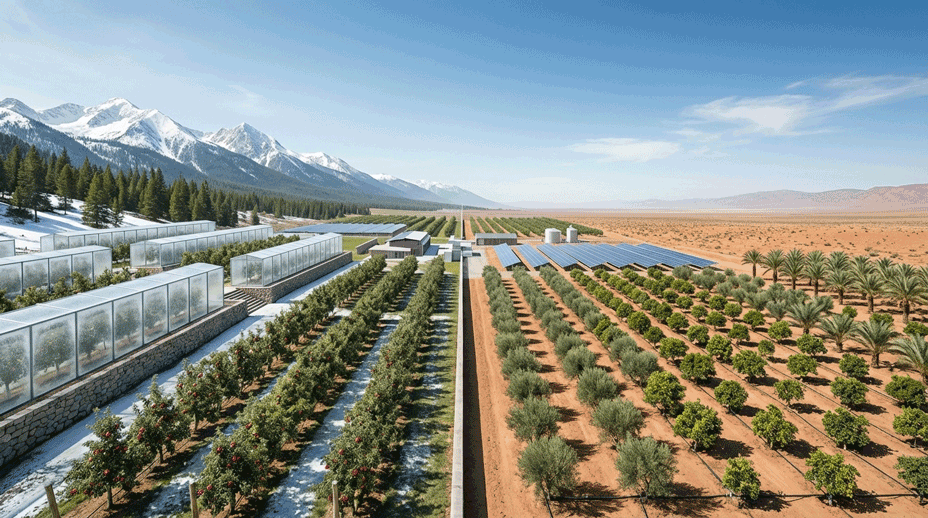
The ultimate tragedy for a grower is watching a three-year-old investment wither away simply because the cultivar selection was incompatible with the local micro-climate or soil salinity. In 2026, with rapid climate shifts, relying on traditional methods is no longer an option. This guide provides a scientific roadmap for selecting fruit seedlings based on global agricultural standards.
Understanding Agricultural Climatology Before You Buy
Google prioritizes content that provides precise, actionable data. Before investing in your orchard, you must verify these three critical factors:
A. Chilling Requirements (Chilling Hours)
Every deciduous fruit tree requires a specific number of cumulative hours between 0°C and 7°C (32°F - 45°F) to break dormancy and bloom.
Critical Note: Planting a "High-Chill" Walnut (like Chandler) in a "Low-Chill" tropical zone will result in delayed foliation or complete crop failure.
B. Elevation and Atmospheric Pressure
Altitude directly affects fruit skin thickness and sugar concentration (Brix levels). Varieties that thrive above 1,500m (Alpine zones) often succumb to fungal diseases in humid lowlands.
C. Late Spring Frost Risks
Many regions are "Semi-Cold," meaning they have mild winters followed by sudden freezes in March or April. For these zones, Late-Blooming varieties are your only insurance policy.
Top-Selling Seedlings for Cold & Alpine Regions
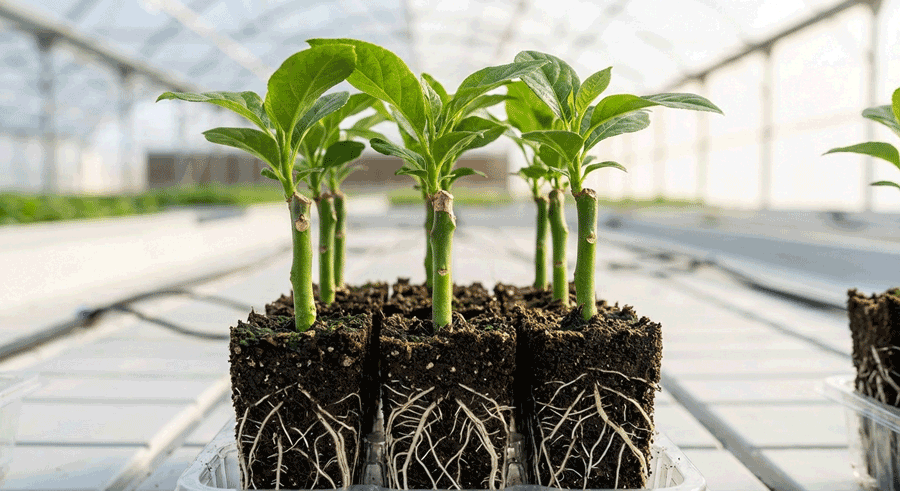
In these regions (Hardiness Zones 4-7), root-stock hardiness and delayed bud-break are the top priorities.
Fernor Walnut: The "King of the Cold." This French variety can withstand temperatures as low as -30°C and is one of the last to bloom in spring.
Sweet Cherry (Regina & Skeena): These are the gold standards for export. Their high-chill requirement ensures they reach peak sweetness and firmness in cooler mountain climates.
Tuono & Azar Almonds: Self-fertile and highly resistant to spring frost, making them the safest bet for high-altitude almond production.
Dergazi Pear: Known for its extreme resistance to "Fire Blight" and its ability to thrive in heavy, frozen soils.
Leading Seedlings for Tropical, Arid, and Desert Zones
In heat-stressed environments, seedlings must combat High Evapotranspiration and Intense UV Radiation.
- UCB-1 Hybrid Pistachio Rootstock: A miracle of modern bio-technology. It grows 4x faster than traditional varieties and possesses superior tolerance to saline water.
- Dryland Fig (Estahban Type): The ultimate drought survivor. This variety relies on deep sub-surface moisture and thrives in temperatures exceeding +45°C.
- Wonderful Pomegranate: A globally recognized commercial cultivar with a thick rind that prevents sun-scald and ensures a long shelf-life for export.
- Medjool Dates: The high-value "Desert Gold," ideal for hyper-arid regions where soil salinity is high.
Comprehensive Selection Matrix by Climate & Temperature (2026 Data)
| Climate Zone |
Min. Winter Temp |
Max. Summer Temp |
Chilling Req. (Hours) |
Primary Choice (Commercial) |
Secondary Choice (Resilient) |
| Boreal / Alpine |
$$-30°C$$ |
$$+28°C$$ |
1,200 - 1,600 |
Fernor Walnut |
Dergazi Pear |
| Cool Temperate |
$$-15°C$$ |
$$+35°C$$ |
800 - 1,100 |
Regina Cherry |
Gala Apple |
| Warm Temperate |
$$-5°C$$ |
$$+42°C$$ |
400 - 700 |
Mamaye Almond |
Askari Apricot |
| Arid / Desert |
$$0°C$$ |
$$+48°C$$ |
200 - 400 |
Ahmad-Aghaei Pistachio |
Saveh Malas Pomegranate |
| Tropical / Coastal |
$$+8°C$$ |
$$+52°C$$ |
< 100 |
Medjool Date |
Jujube (Ber) |
Salinity-Tolerant Seedlings: Solving the Water Quality Crisis
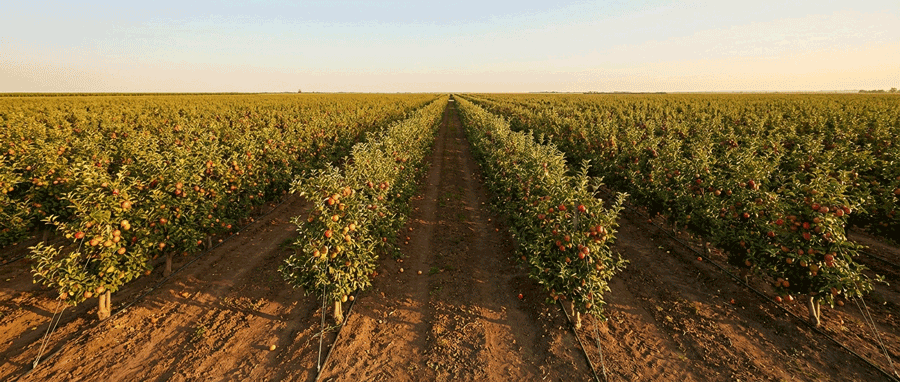
As groundwater salinity increases, many orchards are facing "Salt-Stress." If your water EC is above 4,000, these are your only sustainable options:
- Pistachio (UCB-1 Rootstock): The most salt-tolerant commercial fruit tree, capable of handling high sodium levels.
- Russian Olive (Eleagnus angustifolia): Beyond its fruit, it acts as a nitrogen-fixer and soil reclaimer in salt-damaged lands.
- Vitis Vinifera (Certain Grape Cultivars): Resilient to low-quality water while maintaining high sugar production.