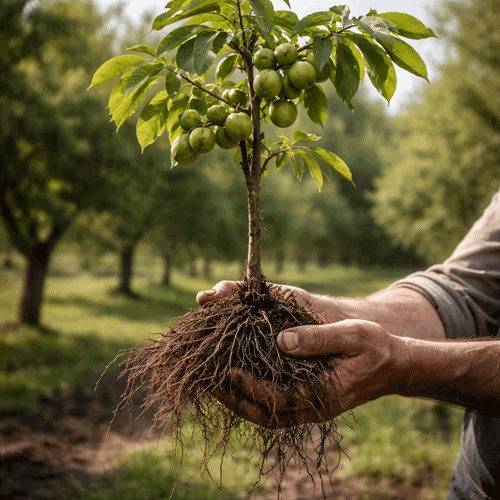
In modern commercial pomology, the shift from traditional to Lateral Bearing (Clustered) Walnut varieties has revolutionized industry profitability. If you are planning an orchard for 2026, understanding the genetic and physiological advantages of these high-yield cultivars is the difference between a 5-year and a 10-year Return on Investment (ROI).
1. What are Clustered Walnuts? (Lateral vs. Terminal Bearing)
The primary distinction between traditional and modern walnut seedlings lies in their fruiting habit.
- Terminal Bearing (Traditional): Fruits only grow on the tips of the branches. This results in a massive canopy with low fruit density and high maintenance costs.
- Lateral Bearing (Clustered/Modern): In these varieties, 80-90% of the lateral buds on a branch have the potential to produce walnuts. Instead of 1-2 nuts at the tip, you get clusters of 5 to 15 nuts along the entire branch.
- Commercial Edge: Lateral bearers like Chandler, Fernor, and specialized High-Yield Genotypes offer significantly higher tonnage per hectare compared to local, seed-grown varieties.
2. Strategic Advantages of High-Yield Genotypes for High-Density Orchards
For investors with limited acreage, "Space Management" is the key to maximizing revenue.
- Dwarfism & Canopy Control: Clustered varieties are genetically predisposed to have controlled vegetative growth. This allows for High-Density Planting (HDP) schemes, such as $7 \times 5$ or $6 \times 5$ meters, increasing tree count per hectare without risking light competition.
- Precociousness (Early Bearing): While traditional trees take 7-10 years to produce a commercial crop, clustered genotypes start bearing fruit in their 2nd or 3rd year.
- Apomixis & Self-Fertility: Many elite clustered genotypes exhibit Apomixis, meaning they can set fruit even when environmental conditions prevent ideal pollination. This serves as a "hidden insurance policy" for your harvest.
3. Yield Analysis: Cluster Density vs. Kernel Quality
A common concern is whether "High Cluster Counts" lead to shriveled or low-quality kernels. In professionally grafted cultivars, this is mitigated through:
- Nutrient Allocation: Modern genotypes have an optimized Leaf-to-Fruit ratio, ensuring the tree can synthesize enough carbohydrates to fill every nut in the cluster with high-oil, light-colored kernels.
- Extra-Thin Shell (Paper Shell): Most clustered varieties are "Paper Shell" walnuts, where the kernel fill is over 50-55% of the total weight, making them highly desirable for the premium global export market.
4. Engineering the Orchard: Soil, Timing, and Spacing
From a horticultural experience perspective, the success of a clustered walnut orchard depends on three pillars:
A. The Golden Window for Planting
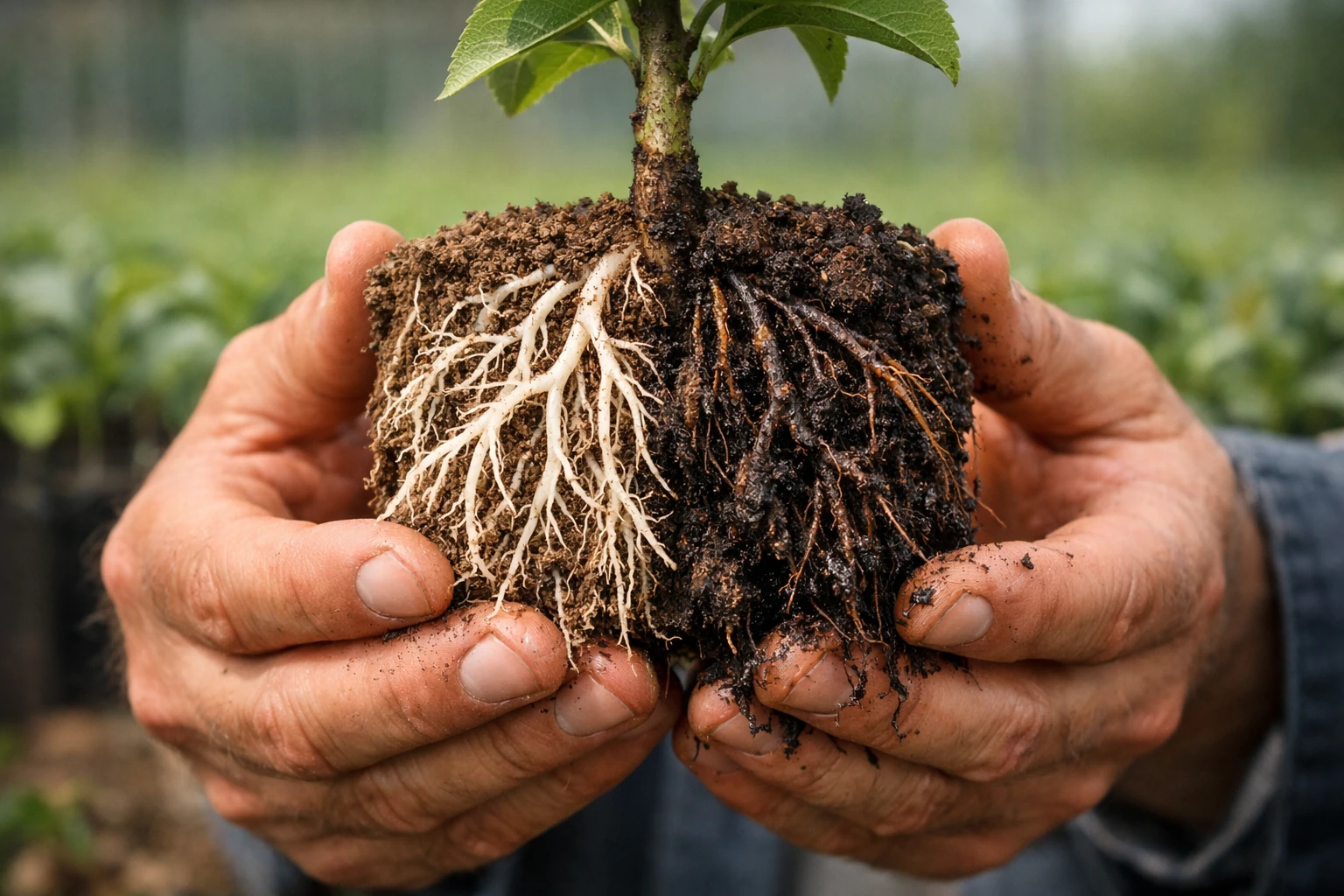
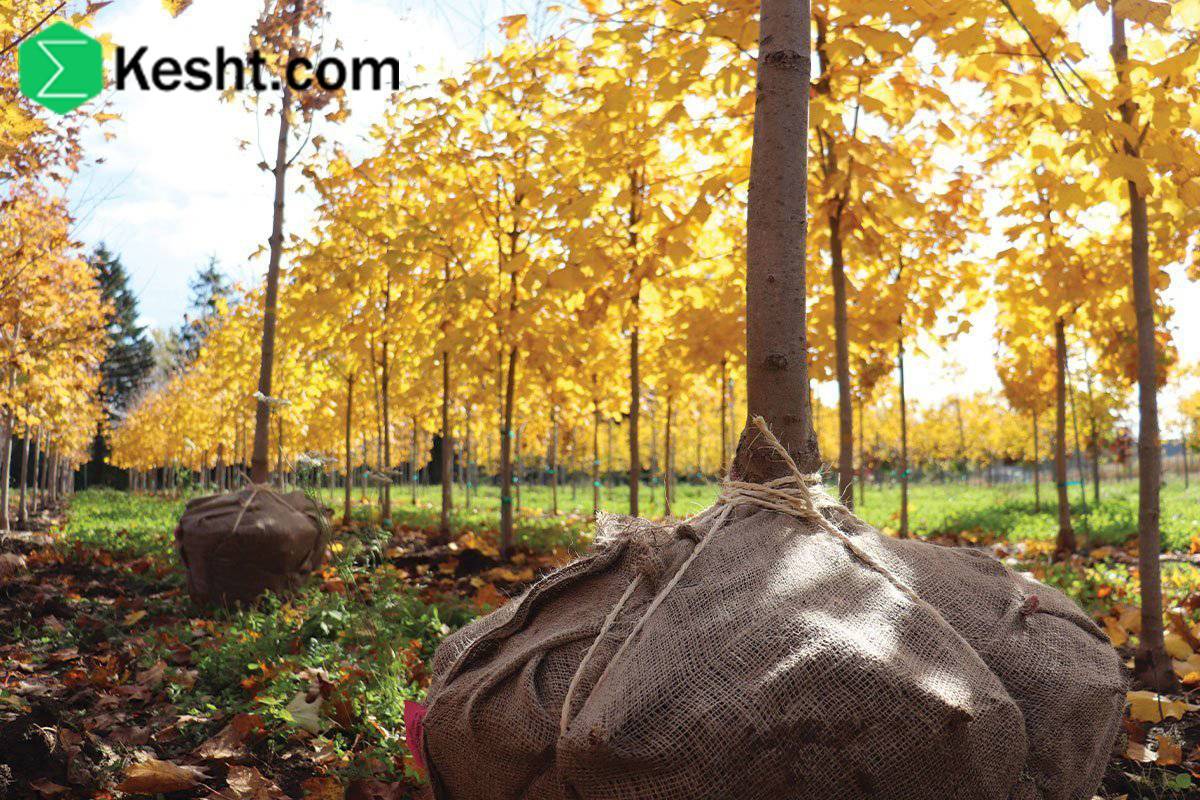
Experience shows that Late Winter (Dormant Season) is the ideal time. Planting just before the sap starts flowing minimizes transplant shock and ensures high survival rates (above 95%).
B. Soil Mechanics & Drainage
Walnuts have zero tolerance for Root Hypoxia (Suffocation).
- Soil Texture: Ideally, a well-drained loam with a pH between 6.5 and 7.5.
- The Percolation Test: If a test hole holds water for more than 24 hours, the land requires soil amendment (sand or organic matter) before planting clustered varieties.
C. Strategic Spacing (Layout)
In modern orcharding, we utilize rectangular patterns to allow for mechanized harvesting and optimal solar penetration, which is vital for the health of lateral buds.
5. Technical Comparison: Clustered vs. Traditional Varieties
| Feature |
Clustered
(Lateral Bearing) |
Traditional
(Terminal) |
| First
Commercial Crop |
Year 3 - 4 |
Year 8 - 10 |
| Fruit per
Cluster |
5 - 15 Nuts |
1 - 2 Nuts |
| Max Tree
Height |
6 - 8 Meters |
15 - 20 Meters |
| Harvesting
Cost |
Low (Mechanized
Friendly) |
High (Manual
Labor Required) |
| Shell Quality |
Mostly
Paper-shell |
Often Hard-shell |
6. Real-World Challenges & Expert Advice
To provide a helpful and honest perspective, consider these challenges:
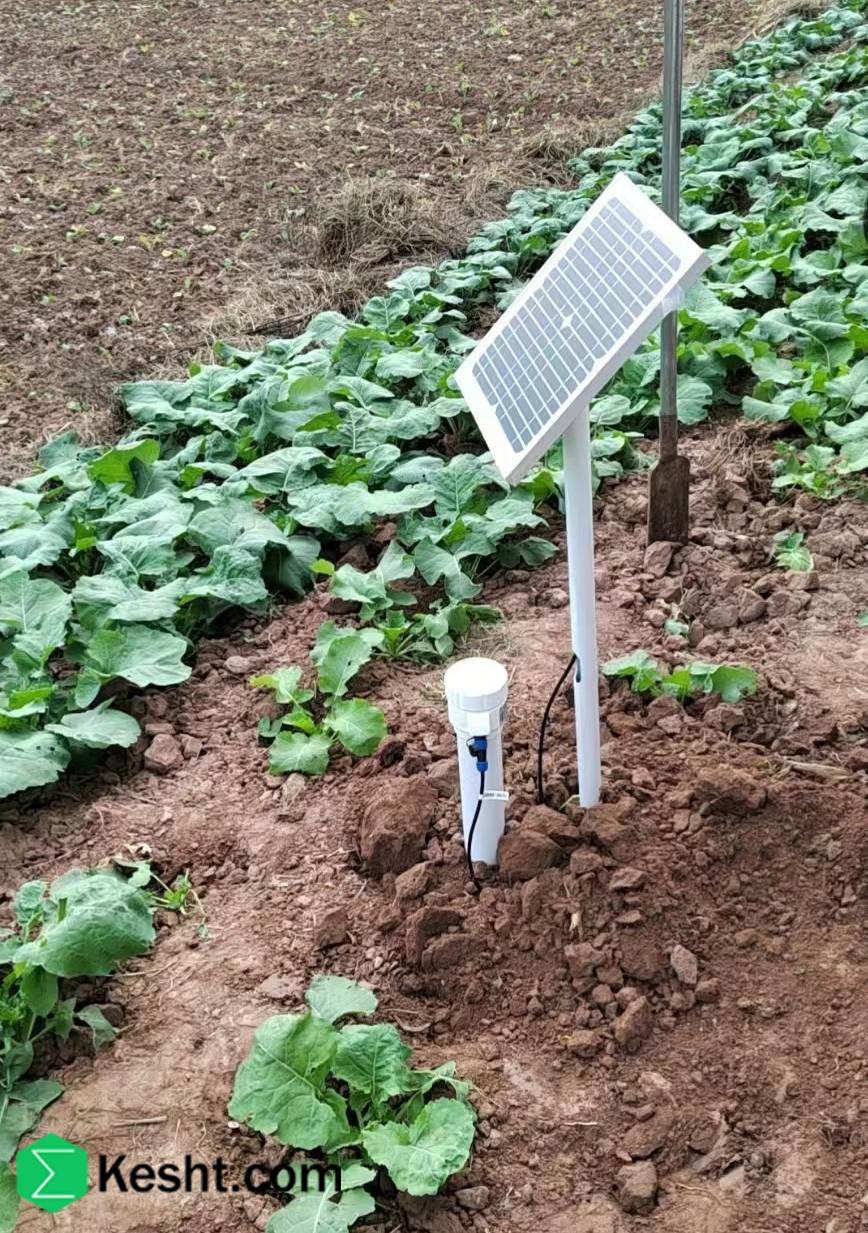
- Hydration Management: High-density clustered trees require consistent irrigation during the "Kernel Filling" stage (July-August). Any water stress during this period leads to dark kernels or "shrivel."
- Nitrogen Sensitivity: Over-fertilization with Nitrogen in early spring can lead to excessive vegetative growth at the expense of cluster stability. A Potassium-heavy fertigation plan is recommended for fruit set.